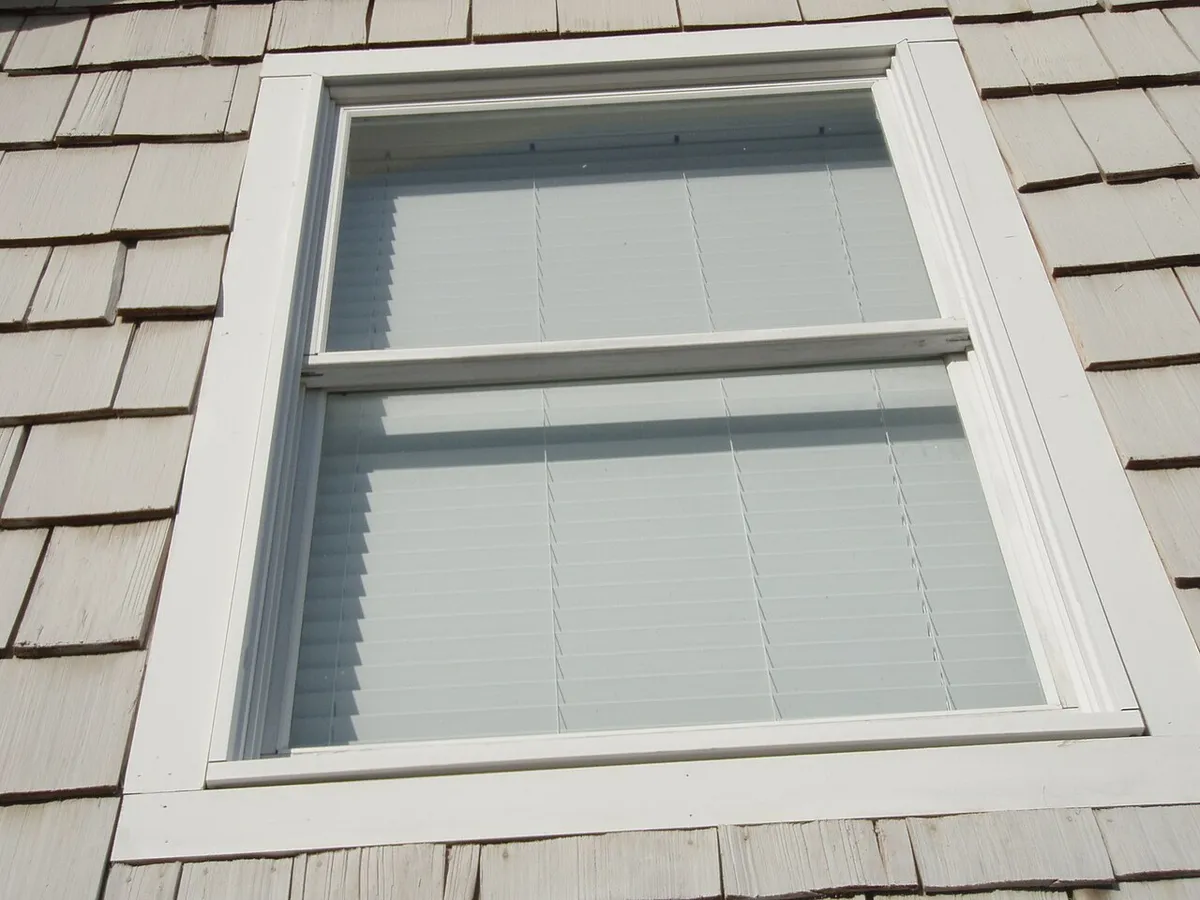
Window repair in McDonough, GA: which faults you fix, and which you replace
Five faults account for nearly every window someone calls about, and the trade that handles each one is different. Naming the broken part is most of the battle, because it tells you whether you want a glass shop, a parts supplier, a carpenter or a new window.
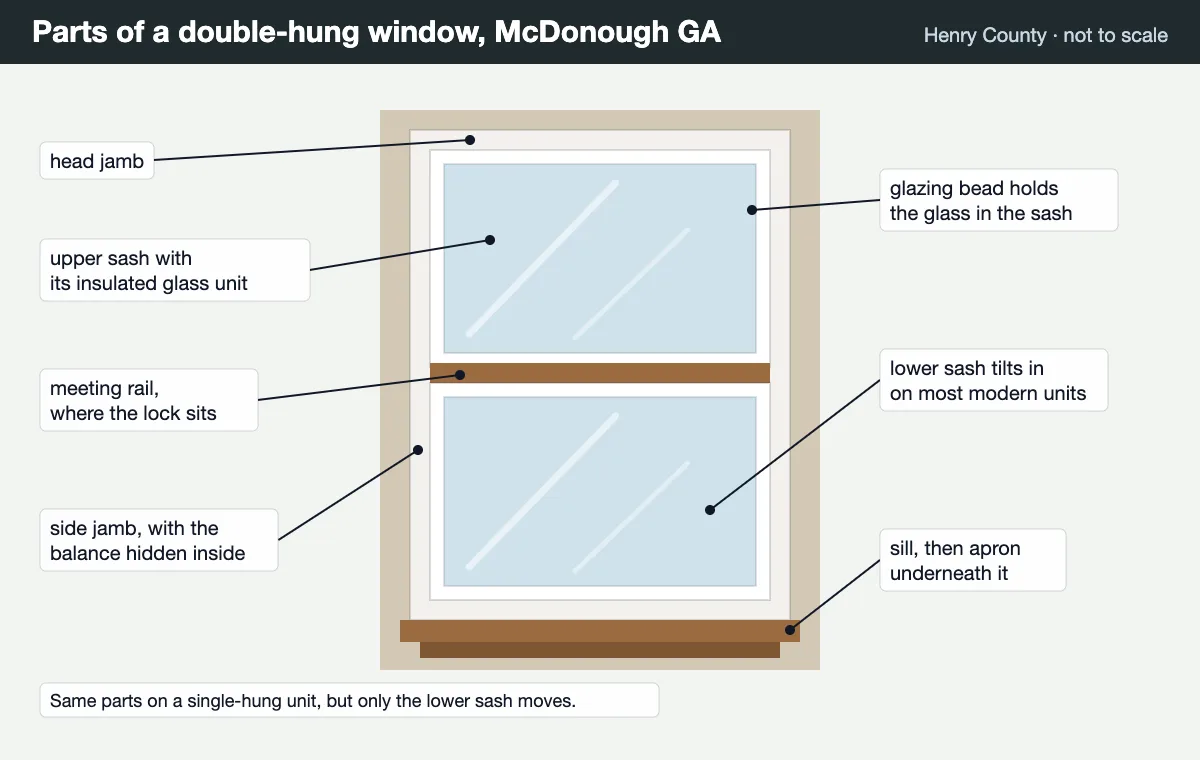
| What you see | The part | Who does that work |
|---|---|---|
| Fog or haze between the panes | Insulated glass unit seal | A glass shop, which swaps the sealed unit in the existing sash |
| Sash slides shut on its own | Spring balance in the jamb | A window parts supplier sells the balance; it is a small hands-on job |
| Crank turns, sash does not move | Casement operator gearbox | A hardware or parts dealer, matched to the maker and series |
| Cracked or shattered pane | The glass | A glass shop reglazes the sash or supplies a new sealed unit |
| Lock no longer pulls the sashes together | Meeting rail hardware | Hardware store part, usually two screws |
| Soft, dark wood at the sill corners | Sill, casing and sometimes the framing | Carpentry, and the point where replacement enters the conversation |
Swipe the table sideways to see every column →
Compiled for this page from how residential window assemblies are built and which parts are sold separately. Nothing in the first five rows is work this site takes on.
What is genuinely worth repairing
A single failed part on a window whose frame is still solid is worth repairing almost every time. Four examples cover most of it, and in each case the window around the fault is doing its job.
A fogged sealed unit in a sound sash
A glass shop can re-glaze the sash with a new insulated glass unit and leave the frame, the trim and the exterior finish untouched. The haze you cannot clean is moisture inside a cavity that is no longer sealed: two or three panes with a spacer and a gas fill between them, with a perimeter seal that has let go. Count before you book anything. One fogged unit in an otherwise good window is a repair. Five fogged units across a house whose windows all went in the same year is the house telling you something.
A broken sash balance
A sash that will not stay where you put it is the cheapest common fault on a double-hung window. The spring balance hidden in the side jamb counterweights the sash, and replacements are ordered to the maker, series and sash weight. Find the label in the jamb or on the sash edge first, because parts availability is what decides whether this is a twenty-minute fix or a dead end.
A casement that turns but does not open
A stripped operator gearbox or a seized hinge arm is a replaceable part, usually on the one window nobody has opened in years. Casement windows covers how the style works and why its hardware takes the strain that a double hung puts on its balances.
Locks, latches and weatherstrip
Hardware on the meeting rail is nearly always replaceable on its own, and it is worth checking for a reason beyond convenience: the lock is what pulls the two sashes tight together, so a draft people blame on old glass is often a two-dollar latch. The same goes for perished weatherstrip.
What is not worth repairing
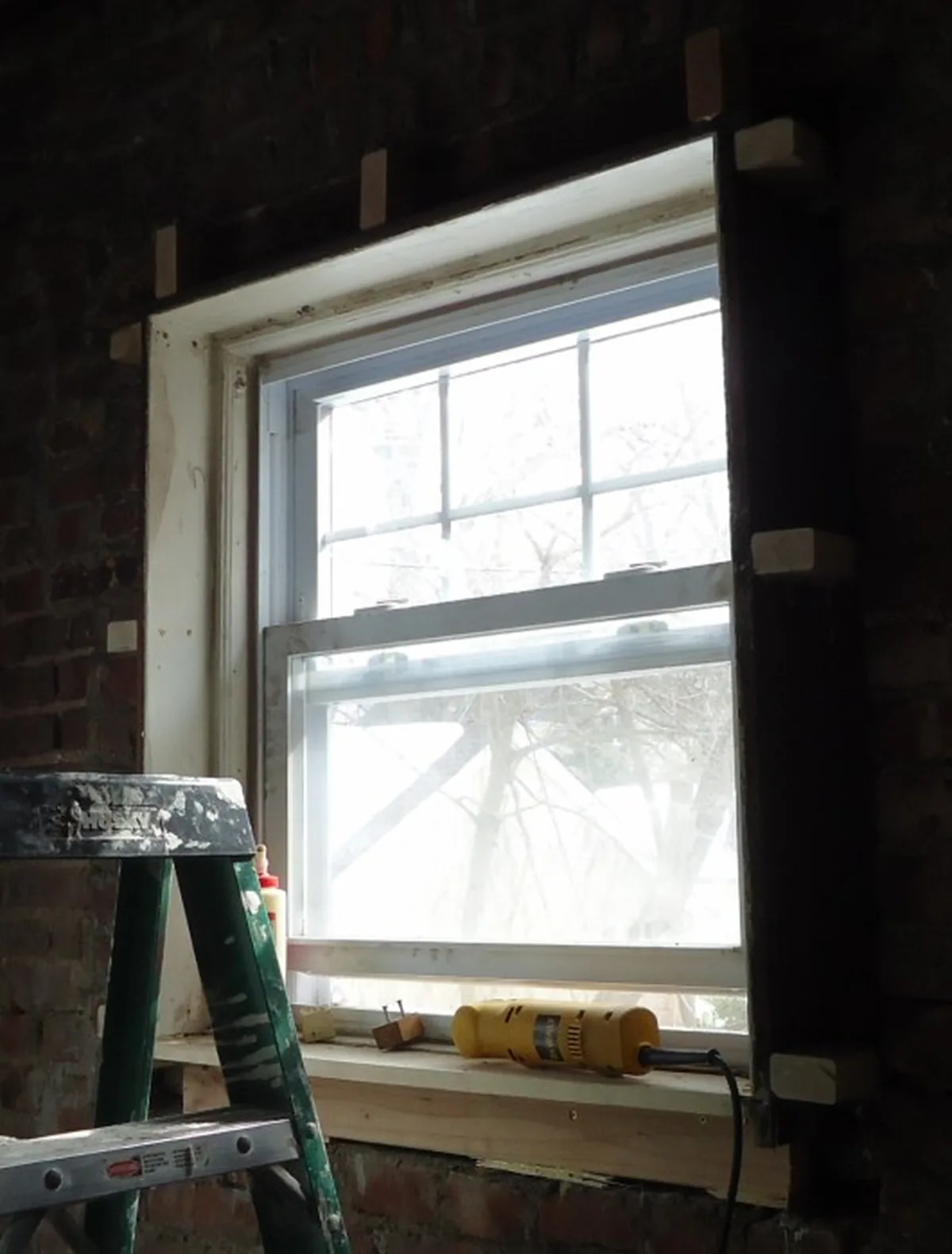
Repair stops making sense the moment the fault is the frame rather than a part bolted to it. Four situations come up again and again around Henry County, and in all four the money spent on a repair comes off the cost of the replacement you end up buying anyway.
| Situation | Why repair does not pay |
|---|---|
| Rotted sill or casing | The damage is the structure holding the window, not the window. Patching it hides the water route that caused it. |
| Several units failing in the same season | Shared age, shared glass package, shared failure. Each individual repair carries its own call-out. |
| Single-glazed glass and a high power bill | Nothing repairable is the problem. Georgia's code asks a replacement window for a 0.35 U-factor and a 0.27 SHGC, which single glazing cannot reach. |
| Obsolete hardware with no parts available | Balances and operators are matched to a maker and series. No part number, no repair. |
Swipe the table sideways to see every column →
The common thread: a repair that costs most of an installed replacement is a replacement that leaves you with the old frame.
Rot in particular is worth checking before you spend anything, because it changes the answer entirely. Window sill and trim rot covers how to test your own and what the finding means for the window above it.
When replacement is the right call, and what that involves
Replacement is the right call when the frame has gone, when the count of failing units is high, or when the glass itself is the complaint. That is the work this site sells. A new unit arrives with a modern glass package that meets the Georgia-amended energy figures for Climate Zone 3, a 0.35 U-factor and a 0.27 solar heat gain coefficient, which is a standard no repair to an old single-glazed window can reach.
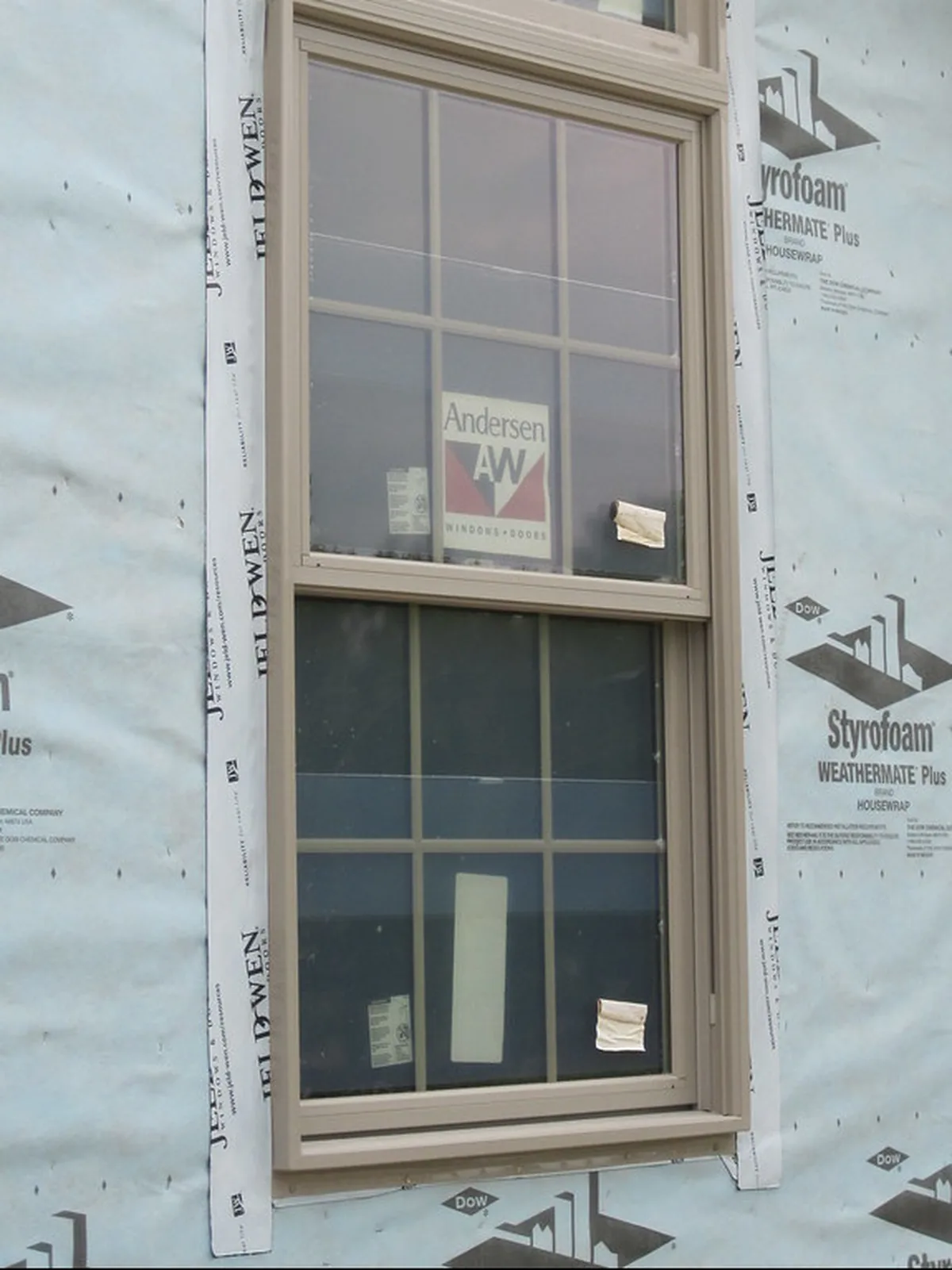
There are two methods, and which one suits depends almost entirely on whether the old frame is sound. Window installation sets out insert against full-frame and how each one gets measured, and the McDonough window replacement cost guide has the local numbers, including five real completed jobs in 30253 and 30252.
Work it out yourself before anyone quotes you
- Count how many windows have a fault, not how annoying the worst one is. Count decides this more often than severity.
- Press the sill corners and the bottom of the frame for softness. Soft wood moves the answer to replacement on its own.
- Find the maker and series label in the jamb. No label and no parts means no repair, whatever anyone promises.
- Compare any repair quote against $575 to $1,100 installed for a new standard vinyl unit in Georgia.
- On a bedroom window, check the escape opening before agreeing to anything smaller: 5.7 square feet clear, 24 inches clear height, 20 inches clear width, sill no more than 44 inches up.
- If the glass is simply single-glazed and old, stop pricing repairs. Nothing fixable is wrong with it.
Bedroom windows are the one place a cheap decision can quietly break a rule. The bedroom window egress requirements page has the four numbers and how to measure them.